What kind of heating should you choose in a modular house up to 40–80 m²?
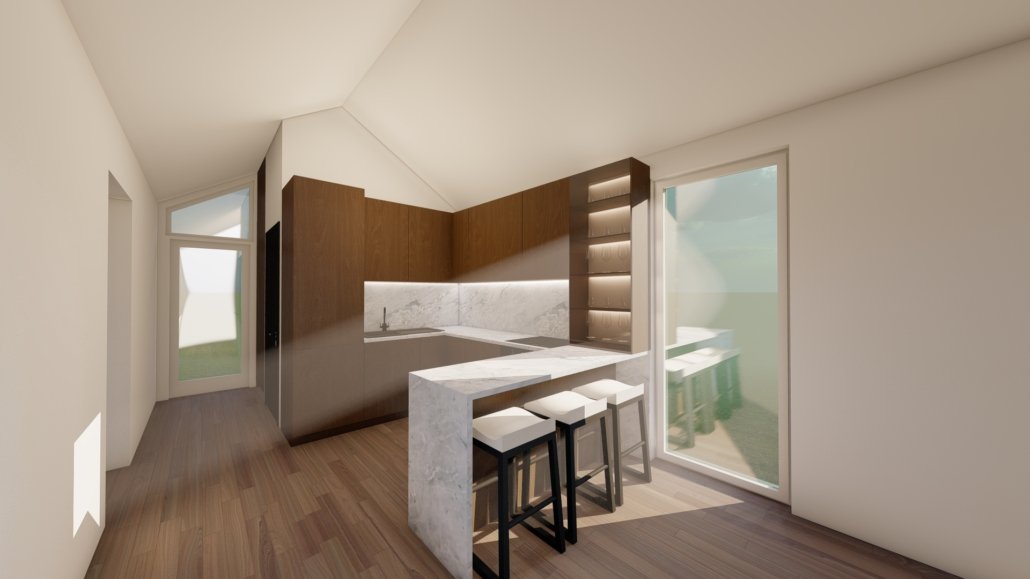
What kind of heating should you choose in a modular house up to 40–80 m²?
When planning the construction of a modular house, one of the most important decisions is the choice of a suitable heating system. Not only the comfort of life, but also the long-term operating costs of the house depend on it. Modern modular houses are characterized by high energy efficiency, so even for a small-sized house, it is possible to find an economical and effective heating solution.
Many future owners wonder what kind of heating to choose in a modular home with a living area of 40 to 80 square meters. The answer depends on several important factors: the purpose of the home, the intensity of use, the level of insulation, the family's needs and the planned budget.
What does the choice of heating system depend on?
Before choosing a specific system, it is important to assess the overall energy efficiency of the house. A well-made modular house is characterized by good thermal insulation, airtight structures and low heat loss. For this reason, there is often no need for extremely powerful or expensive heating solutions.
It is important to consider:
- The area of the house.
- Population.
- Will the house be used permanently?
- Electric power capabilities.
- The need for hot water.
- The infrastructure of the plot.
Taking these criteria into account makes it easier to decide what kind of heating to choose in a modular home for your specific situation.
Air-to-air heat pump
One of the most popular choices for smaller modular homes is an air-to-air heat pump. This system works similarly to an air conditioner, but can both heat and cool the space.
Main advantages:
- Low installation cost.
- Quick installation.
- Low operating costs.
- Cooling function in summer.
- Easy maintenance.
In homes of 40–60 m², this type of system often fully meets the heating needs. However, in extremely low outdoor temperatures, an additional heat source may be required.
If you are considering what type of heating to choose in a modular home for recreational purposes or weekend living, this option often becomes the most economical solution.
Air-to-water heat pump
In larger homes, 60–80 m² in area, an air-to-water system is often chosen. It can heat not only the rooms, but also prepare hot water.
Advantages of such a system:
- High efficiency.
- Comfortable heating.
- Possibility to connect underfloor heating.
- One system for heating and hot water.
- Low long-term costs.
Although the initial investment is higher, this solution often pays off in the long run due to lower energy costs.
Underfloor heating
Modern modular homes are increasingly equipped with underfloor heating. It ensures even heat distribution throughout the premises and provides additional comfort.
Advantages:
- Even temperature distribution.
- Lower energy consumption.
- There are no visible radiators.
- Greater interior flexibility.
- Comfortable walking barefoot.
Underfloor heating works particularly effectively in combination with air-to-water heat pumps. Therefore, when planning for a long-term life, it is often recommended to consider this combination.
Electric underfloor heating
In small modular homes, electric underfloor heating is also an option. Its installation is simpler and cheaper than water-heated floors.
This solution is most often chosen:
- In holiday homes.
- In rarely used dwellings.
- In small-area facilities.
- For seasonal living.
However, when living permanently, electricity costs may be higher than when using a heat pump.
Stoves and fireplaces
Some owners additionally install wood-burning stoves or fireplaces. This is not only an additional source of heat, but also an element of coziness.
Main advantages:
- Independence from electricity.
- Cozy atmosphere.
- Possibility to reduce heating costs.
- Additional heat reserve.
However, such solutions are usually used less frequently for main heating, as they require constant maintenance and fuel replenishment.
Heat recovery and heating efficiency
When choosing what type of heating to choose in a modular house, it is important not to forget about the ventilation system. A recuperator helps retain heat and ensures a constant supply of fresh air.
Properly functioning recuperation:
- Reduces heat loss.
- Improves air quality.
- Reduces moisture accumulation.
- Contributes to lower heating costs.
Even the most efficient heating system will not be able to achieve the best results if the house is not properly ventilated.
How much does heating cost in a modular home?
Operating costs depend on many factors:
- House area.
- Thermal insulation.
- Outdoor temperatures.
- Selected systems.
- Habits of the population.
Due to good insulation modular homes often consume less energy than older homes. Therefore, even in winter, heating costs remain relatively low.
Which option is best?
There is no universal answer, but several recommendations can be made.
If the house is up to 50 m² and is used occasionally, an air-to-air heat pump is usually sufficient.
If you plan to live permanently and the area of the house is 60–80 m², the most optimal choice is usually an air-to-water system combined with underfloor heating.
Meanwhile, a fireplace or stove can be a great additional source of heat, providing more comfort during the cold season.
Modhouse.lt – Opinion
When deciding, What kind of heating to choose in a modular house?, it is important to evaluate not only the initial cost of the equipment, but also the long-term operating costs. Modern modular homes, due to their high energy efficiency, allow the use of economical heating systems and ensure comfortable living in all seasons.
A properly selected system will reduce energy costs, maintain a constant temperature, and ensure maximum living comfort. That is why the decision on which heating to choose in a modular house should be made at the design stage, taking into account the purpose, size, and needs of the future home.